

One Lamp. Three Disasters. One Long Night.
It’s pitch black.
It’s foggy.
It’s 5am and I’m up a mountain.
The road is barely wide enough for one car. Passing places suddenly become your best friend. To make matters worse, the locals seem to use it as a shortcut. In the distance all you can see are headlights coming towards you. You try to judge the best place to pull in and avoid blocking the road.
And all I’m thinking is...
How the hell have I got here?
It had seemed like such a good idea at the Trustees’ meeting.
I’m in South Wales, and I’ve still got lots to do.
So how did I get here?
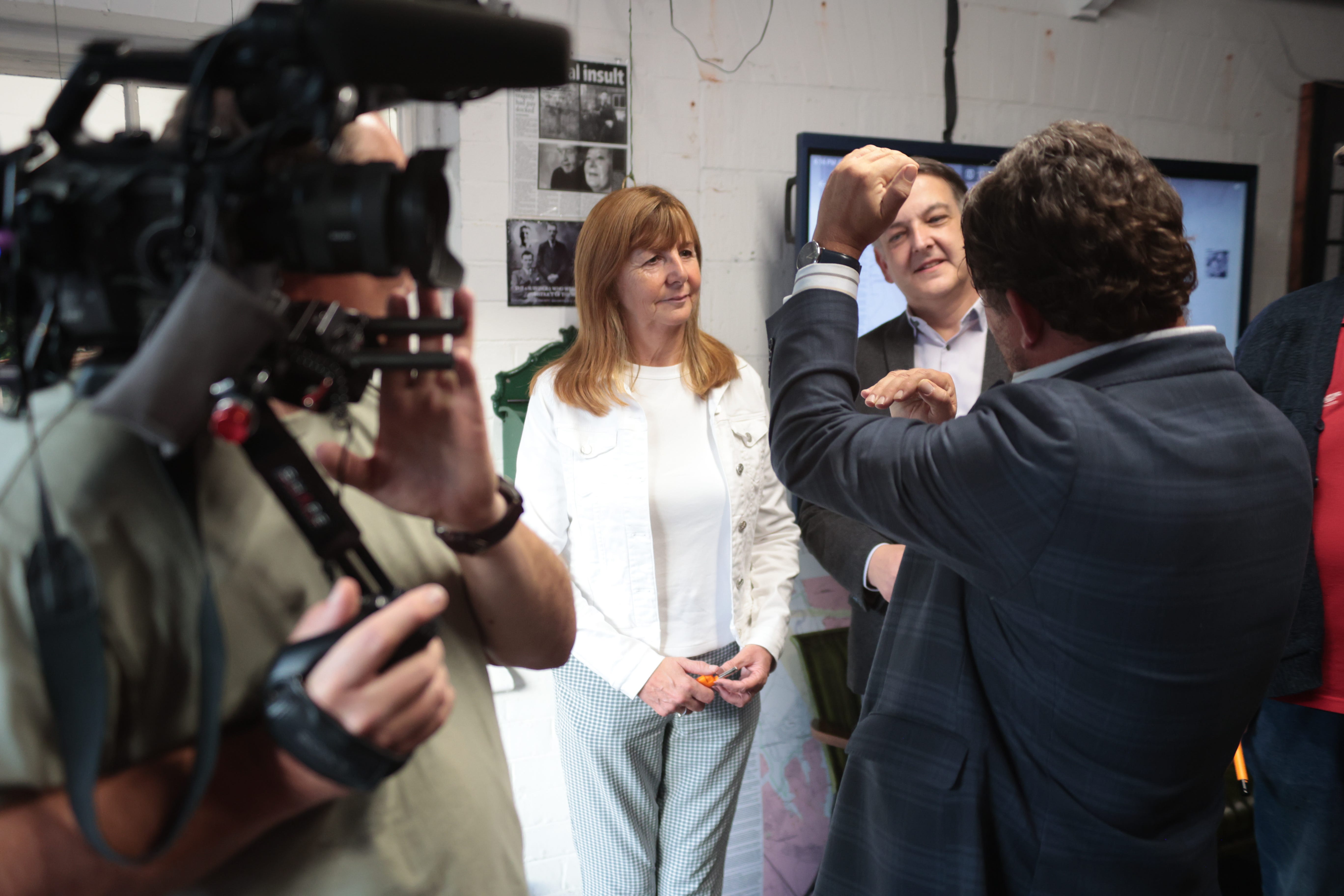
I remember the meeting well. The Wrecsam2029 team invited the Wrexham Miners Project to an event in Cardiff to promote the City of Culture and, as I was on annual leave, I volunteered myself.
Then I realised it clashed with the vigil we organise for the Gresford Colliery Disaster.
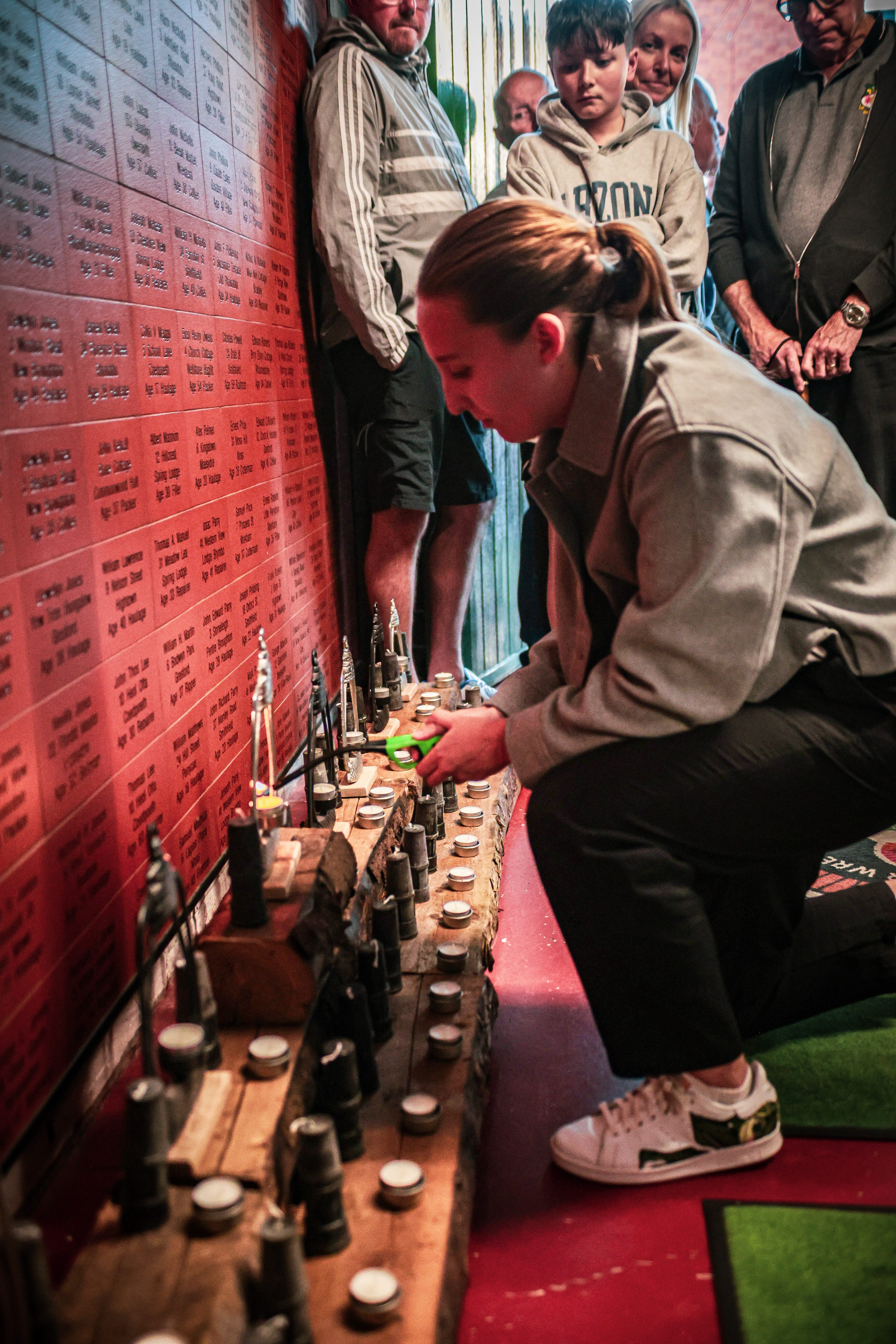
We light candles at 6pm and, after an evening of poems and remembrance, we extinguish them at 2.08am, the time widely accepted as the moment of the explosion.
I didn’t want to miss it.
I’d booked my annual leave because of it.
“I’ll drive overnight,” I announced.
Everyone looked at me as if I’d lost the plot.
The annoying thing was...
They were probably right.
When plans were discussed for the Cardiff event, we realised it fell on the anniversary of the Gresford Colliery Disaster, so it seemed only right that we should honour the 266 men who lost their lives.
“Why don’t we take a candle with us?”
A brilliant idea.
It was then suggested that, rather than a candle, we should take one of our miners’ lamps with a symbolic flame.
It would become the link between the two events.
Let’s do this.
Then came another conversation that probably should have triggered another sanity check.
“You’ll be passing near Aberfan.”
The Aberfan disaster happened on 21 October 1966, when a huge coal waste tip collapsed and thundered down into the village, engulfing Pantglas Junior School and nearby homes. One hundred and forty-four people lost their lives, including 116 children. It is almost impossible to imagine the heartbreak that followed. More than half a century later, Aberfan is still remembered with enormous sadness — a tragedy that devastated a community and should never have been allowed to happen.
“Why don’t you take our flame there too?”
It was such a lovely idea I couldn’t possibly say no.
It completely overruled my sanity check.
I convinced myself it wasn’t much of a detour to honour another Welsh tragedy.
It would be a privilege.
Then someone uttered another sentence.
“Hey... you’re not far from Senghenydd.”


The Senghenydd Colliery Disaster happened on 14 October 1913, when an explosion ripped through the Universal Colliery near Caerphilly. Four hundred and thirty-nine miners and one rescuer lost their lives, and it remains the worst mining disaster in British history.
I have to admit there is a sense of shame on my part that I didn’t know enough about Senghenydd and the sheer scale of what happened there.
It is difficult to comprehend just how many families and how much of a community were changed forever in a single day.
Learning more about Senghenydd has only strengthened my determination to keep telling these stories and, in particular, to continue working to honour the 266 men who lost their lives at Gresford.
These men, their families and the communities they left behind deserve to be remembered.
Their stories should never be allowed to fade.
It was a no-brainer.
Decision made.
I’d leave Wrexham at 2.30am.
Drive to Aberfan.
Across to Senghenydd.
Then finally on to Cardiff Bay.
Simple.
Or so I thought.
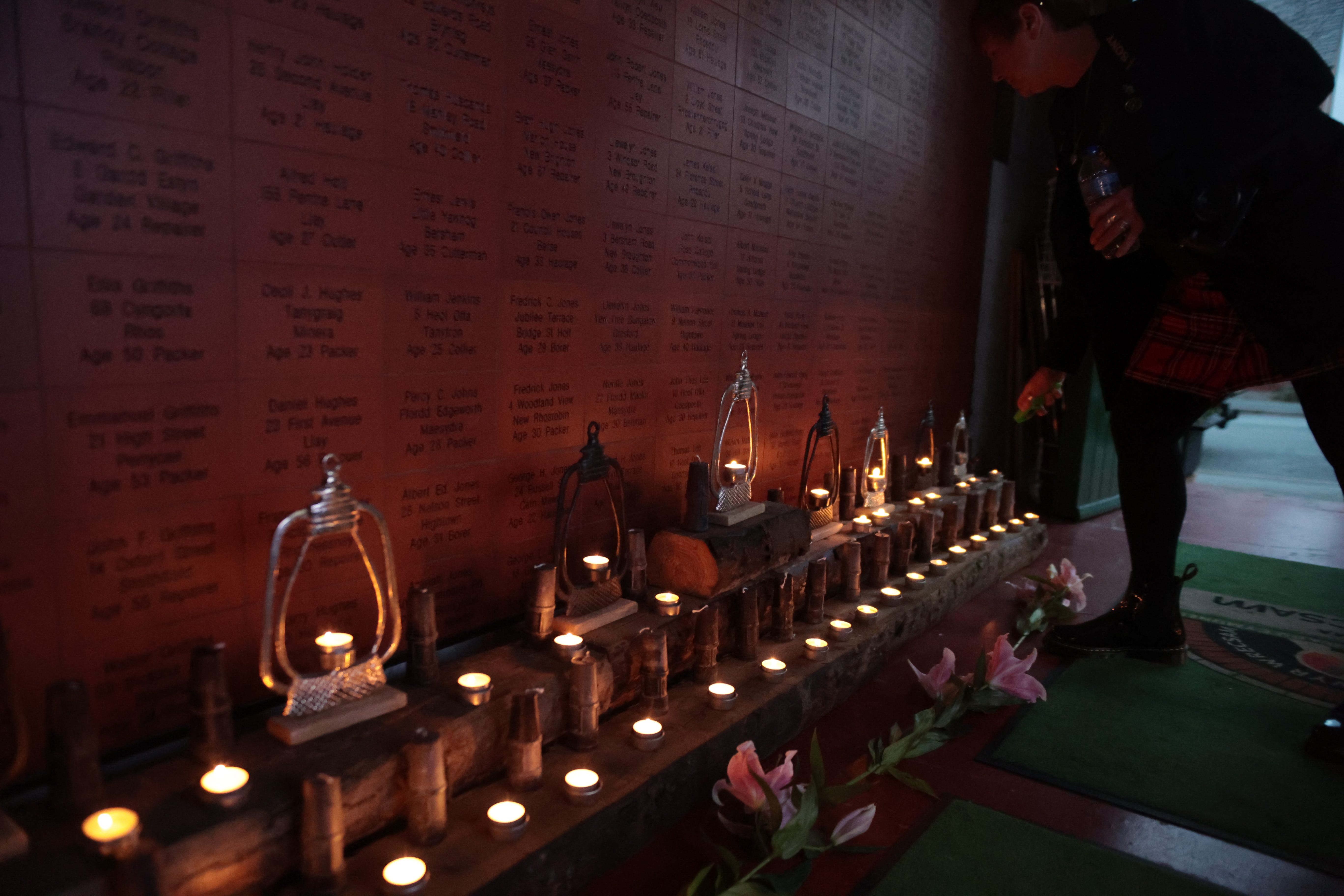
The vigil was, as usual, an event that fills my heart.
There’s remembrance.
There’s fun.
There’s food.
There’s togetherness.
There’s solitude.
For such a reflective night, it’s also incredibly uplifting because we’re surrounded by friends.
It was even live on the ITV news
Knowing I was driving through the night, I popped home for a couple of hours beforehand.
It was going to be a very long day.
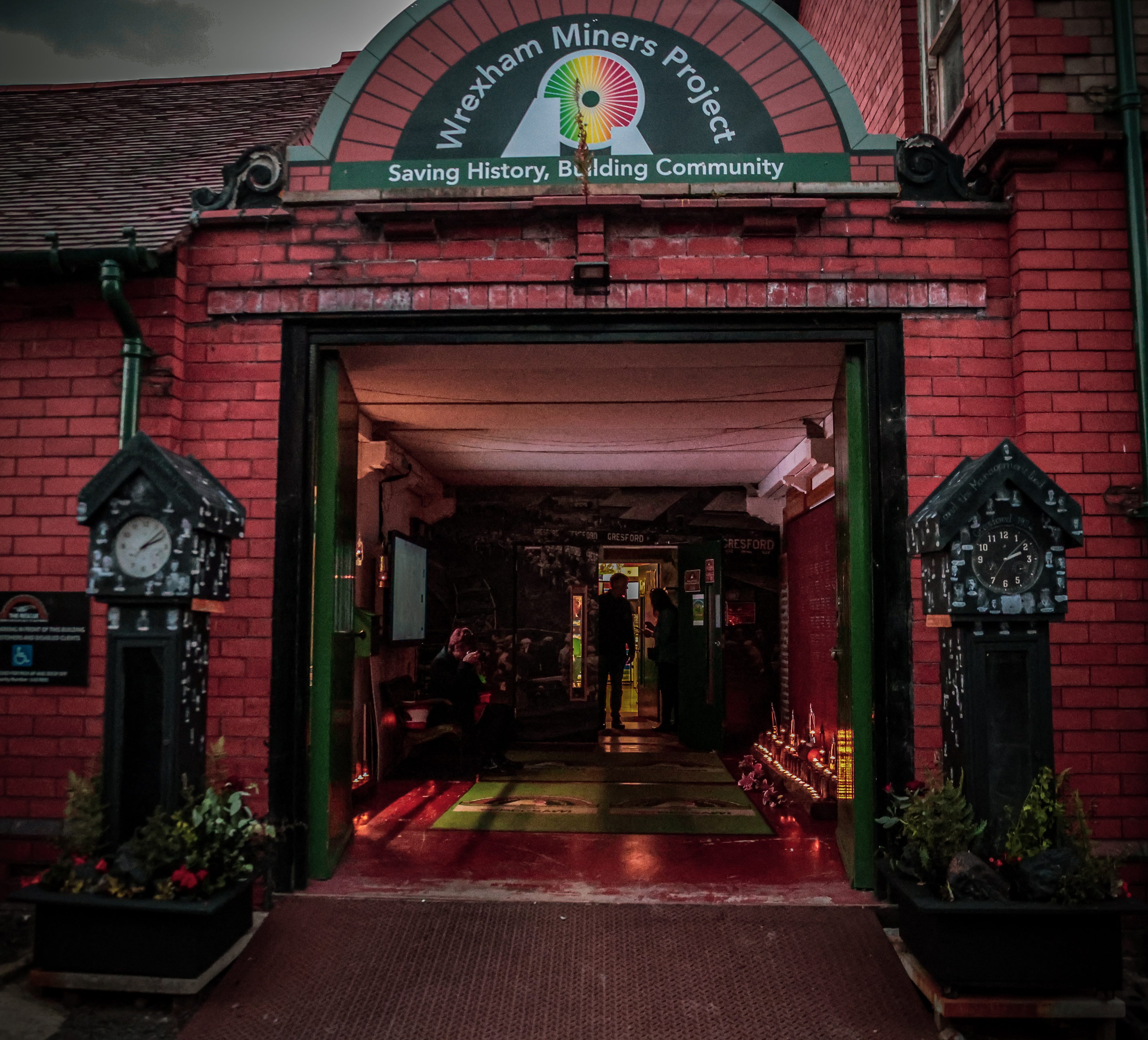
I managed a little snooze before returning to the Wrexham Miners Project at 11pm.
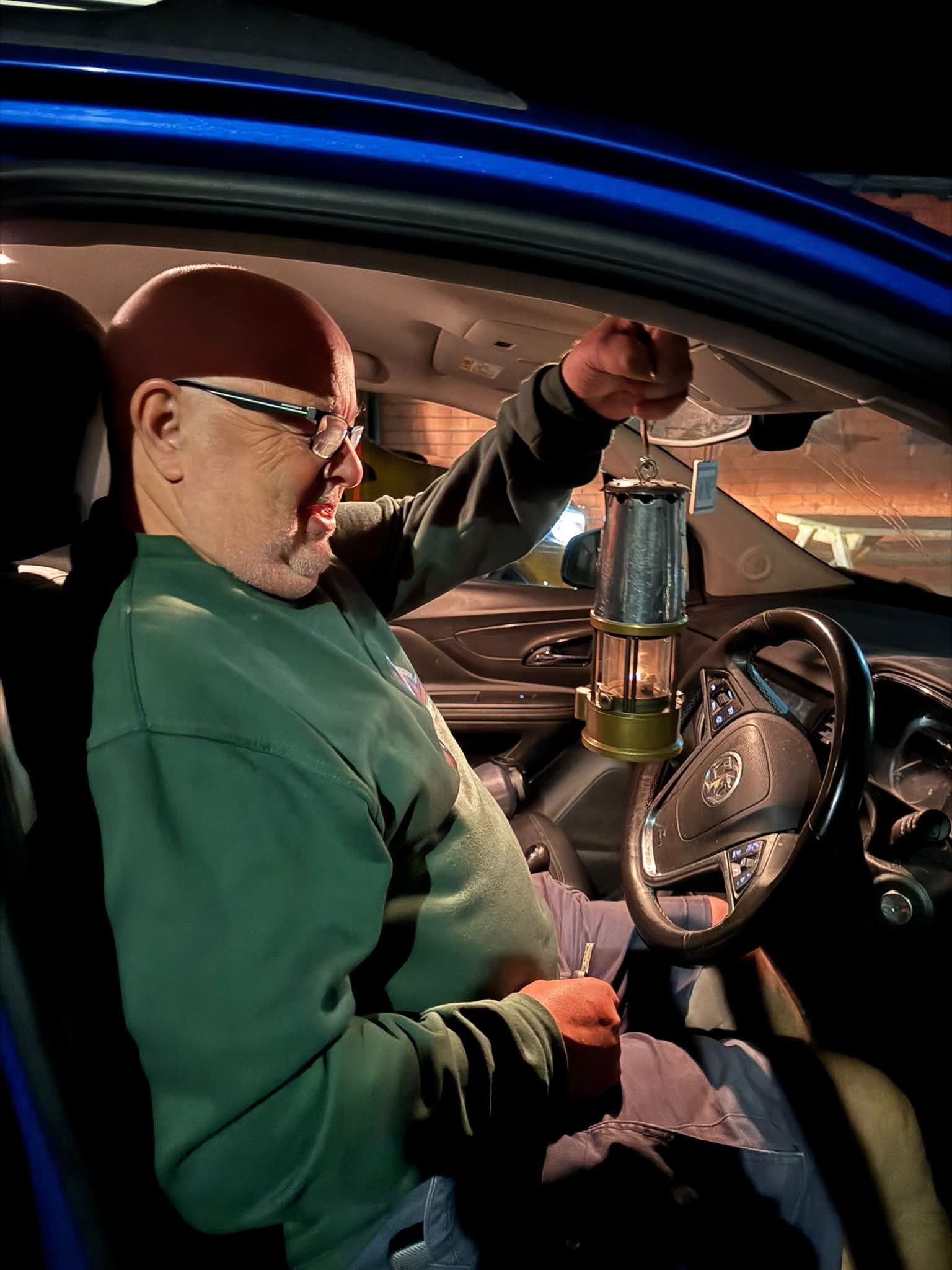
Then, at 2.15am, I was sitting in my car.
Lamp strapped safely into the passenger seat.
Ready for the journey to Cardiff.
It was going to be simple...
Wasn’t it?
Follow me for Part Two, which includes a petrol station dilemma, an unexpected police stop, a mountain panic, a few hours’ sleep in a car park and an argument over a naked flame.