

Too Many Vape Shops, Not Enough Culture? Think Again.
Wrexham City of Culture 2029 — Why Are We So Quick to Knock Ourselves Down?
Put the word Culture into AI and you get the following:
“Culture is the shared way of life of a group of people. It includes their traditions, beliefs, values, customs, language, music, art, food, history and the things that give them a sense of identity and belonging.”
It goes on to explain that culture is much more than museums, theatres and art galleries. It includes music, sport, heritage, community and the things that make a place distinctive.
Sounds familiar, doesn’t it?
Football, local bands, historic buildings, mining heritage, markets, pubs, murals, photography and the people who make Wrexham what it is.
So why, when Wrexham has just made the final four for UK City of Culture 2029, are some people so determined to rubbish the achievement?
I really don’t understand it.
We’ve beaten off competition from other towns and cities across the UK to reach the final alongside Blackpool, Sheffield and Milton Keynes. That’s something worth celebrating, surely?
But no sooner had the announcement been made than the usual suspects were out in force.
“Too many vape shops!”
“Too many kebab houses!”
“Too many Turkish barbers!”
You know the sort of comments I mean. The same ones that appear whenever anything positive is said about Wrexham.
Now, I’m not suggesting our city centre is perfect. Far from it. There are empty shops, buildings that need attention and areas that could do with serious investment. Nobody walking around Wrexham with their eyes open would deny that.
And there’s nothing wrong with wanting a better mix of shops and businesses.
But when the criticism starts singling out Turkish barbers and kebab shops, I do wonder whether there’s something more behind some of those comments. There can be political and cultural undertones to that sort of language, whether people care to admit it or not.
And here’s what really baffles me.
If people are so unhappy with the state of Wrexham, why wouldn’t they welcome the possibility of millions of pounds of investment to help improve it?
Surely that’s exactly what we should be encouraging?
What Is City of Culture Actually About?
I think there’s a misunderstanding about what the UK City of Culture title is supposed to achieve.
It’s not simply a competition to see which city has the best theatres, the biggest museums or the most famous bands.
It’s about recognising the culture that already exists and using it to bring about positive change.
Regeneration, investment, jobs, tourism, community involvement and opportunities for local people.
Yes, the winner gets to host a year of cultural events, but the ambition is to leave something behind long after the celebrations have finished.
And the money involved isn’t small change.
The winning city will receive £10 million in UK Government funding to help deliver its programme. Even the three unsuccessful finalists will receive at least £125,000 each to take elements of their plans forward.
Wrexham’s bid team estimates that winning could generate more than £200 million in wider economic benefits.
Now, that’s an estimate, not a guaranteed cheque for £200 million, but surely it’s worth having a go?
Wrexham also has the opportunity to become the first Welsh city to hold the title.
Imagine what that could mean, not just for Wrexham but for the wider area.
But What About Sheffield?
I’ve seen people suggesting that Sheffield should win because of its incredible musical history.
And let’s be fair, Sheffield has produced some fantastic bands and musicians. Nobody can argue with that.
But this isn’t a competition to decide which city has produced the most famous recording artists.
If it were, we might as well give the title to whichever place has sold the most records and forget the whole thing.
Sheffield has its strengths, as do Blackpool and Milton Keynes.
But so does Wrexham.
And having a famous musical past doesn’t automatically mean one city deserves the investment more than another.
The whole point is what you can do with the opportunity.
Just Look at Bradford
If anyone wants to know what City of Culture can achieve, they should take a look at Bradford.
Bradford was the UK’s City of Culture in 2025, and some of the figures make interesting reading.
Its cultural programme recorded more than three million attendances, with thousands of events taking place across the district.
More than 88,000 residents took part in key projects, while local artists, musicians, community groups and cultural organisations were given opportunities to get involved.
And this wasn’t just about putting on expensive shows for people who already attend the theatre.
Many of the events were free, making culture accessible to people who might not otherwise have had the opportunity to take part.
There was investment in cultural venues and historic buildings, improvements to facilities and opportunities for local people to learn new skills.
Bradford’s organisers also reported an increase in city-centre footfall of more than 25% compared with previous years.
Think about that for a moment.
More people visiting a city centre means potential customers for cafés, restaurants, pubs, shops and other local businesses.
And then there’s the figure that really caught my attention.
In a survey of Bradford 2025 audiences, 87% said the programme made them feel proud of their local area.
You can’t put a price on that.
Of course, Bradford hasn’t suddenly become a place without problems. It still has its challenges, and it will take time to see what the lasting benefits are.
But at least it has been given an opportunity to build on what it already had.
And surely that’s what we’d want for Wrexham?
Wrexham Has Culture. Sometimes You Just Need to Look.
I spend a lot of my time around Wrexham, photographing the place, watching local bands, visiting historic buildings and talking to people who have stories to tell.
And the more I do it, the more I realise just how much culture we’ve got here.
It might not always come with a big sign over the door, an expensive ticket or a fancy exhibition.
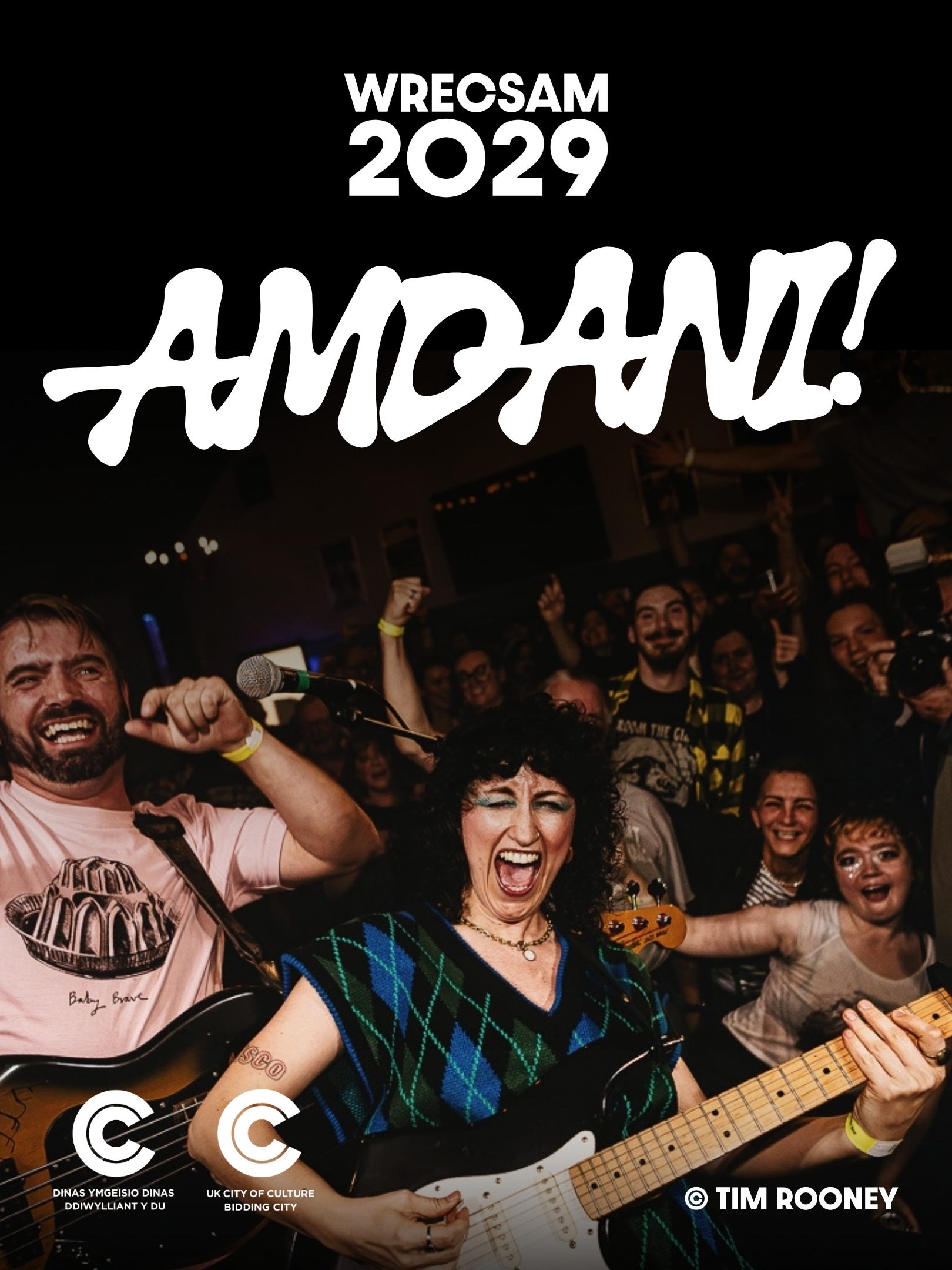
Sometimes it’s a local band playing to 30 people in a pub.
Sometimes it’s an old building that you’ve walked past a thousand times without knowing its history.
Sometimes it’s a mural, an old photograph, a story about the mines or a conversation with somebody who remembers how Wrexham used to be.
We’ve got a football club that’s helped put us on the world stage, but Wrexham is much more than football.
We’ve got talented musicians, artists, poets, photographers, filmmakers and people working hard to keep our local heritage alive.
We’ve got a mining history that helped shape the communities around us. Historic markets, old pubs, churches, industrial buildings and generations of stories waiting to be told.
We’ve got our language, our traditions and our identity.
And we’ve got people who give up their time, often voluntarily, to celebrate and protect all of this.
That’s culture.
It doesn’t stop being culture because it isn’t happening in a theatre or art gallery.
And it certainly doesn’t disappear because there’s a vape shop down the road.
It’s About More Than One Year
What excites me most about the possibility of Wrexham becoming City of Culture isn’t necessarily the thought of big concerts or famous names coming to town.
Don’t get me wrong, I’d enjoy those too!
But I’d much rather see investment that makes a real difference to the people already creating culture here.
I’d love to see our independent music venues given greater support.
More opportunities for local bands and musicians to perform, record and develop.
More investment in our historic buildings, markets and heritage attractions.
More opportunities for local photographers, artists, writers and filmmakers.
And more young people being encouraged to get involved in creative activities.
I’d also like to see the benefits spread beyond the city centre, into the villages and communities across the county borough.
Because Wrexham’s culture doesn’t begin and end at the city-centre boundary.
We should be celebrating all of it.
The danger with any big cultural programme is that we end up with a fantastic year of events, plenty of publicity and then very little to show for it afterwards.
That would be a missed opportunity.
For me, the real measure of success would be what is still here five or ten years later.
Are our music venues thriving? Have we protected more of our heritage? Are there better opportunities for young people? Have we brought more life into the city centre?
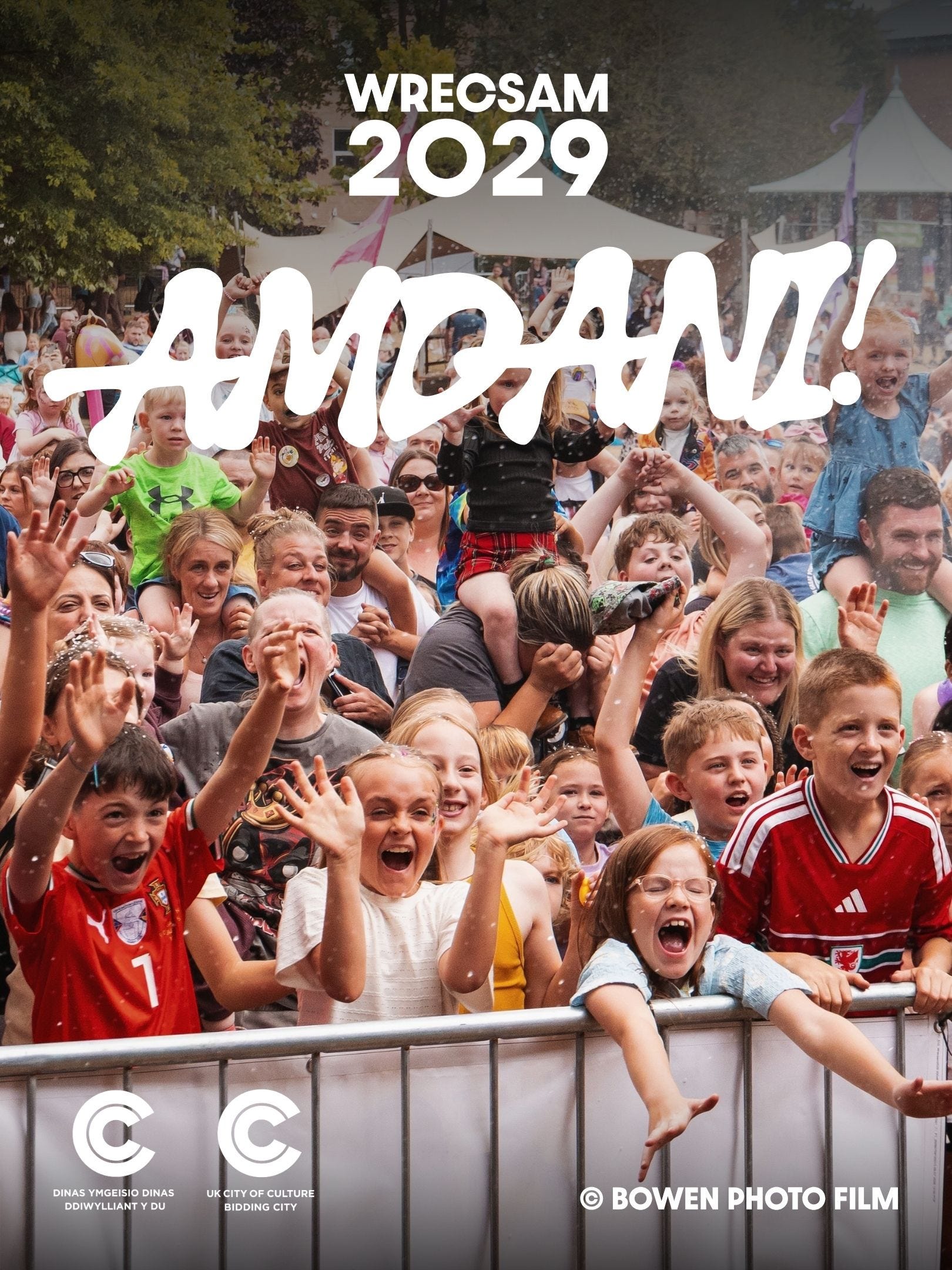
And have local people actually benefited?
Those are the questions that matter.
Why Are We So Quick to Knock Ourselves Down?
I know not everybody will agree with me on this.
That’s fine. We should question how public money is spent, and there’s nothing wrong with asking difficult questions about the bid.
But there’s a difference between constructive criticism and simply finding something else to moan about.
Nobody is suggesting that winning City of Culture will solve every problem Wrexham faces.
It won’t suddenly fill every empty shop, repair every neglected building or make everybody happy.
And supporting the bid doesn’t mean we have to pretend everything in Wrexham is wonderful.
It means recognising that we’ve got something worth celebrating and believing that our city is worth investing in.
A lot of people have put a tremendous amount of work into getting Wrexham this far. Local organisations, artists, community groups, businesses and volunteers have all played their part.
Whatever happens next, they’ve achieved something.
We are one of the final four places in the UK being considered for City of Culture 2029.
That’s not something to be embarrassed about.
It’s something to be proud of.
And instead of spending the next few months telling everybody what’s wrong with Wrexham, perhaps we could spend a little more time showing them what’s right with it.
Because we’ve already got the history, the talent, the stories and the community spirit.
What we need is to recognise their value and give them the support they deserve.
We can keep knocking ourselves down, or we can get behind something that might actually help make Wrexham better.
I know which I’d rather do.
Because culture isn’t only about celebrating the past.
It’s about investing in the future.
And surely that’s something worth getting behind.
A problem is many local residents travel out of the County for shopping and events. Often seeing traveling somewhere is part of their experience for an event. There is a real need to get local people to look inward instead of outward.
For many people they have no idea of what is on their own door step.