

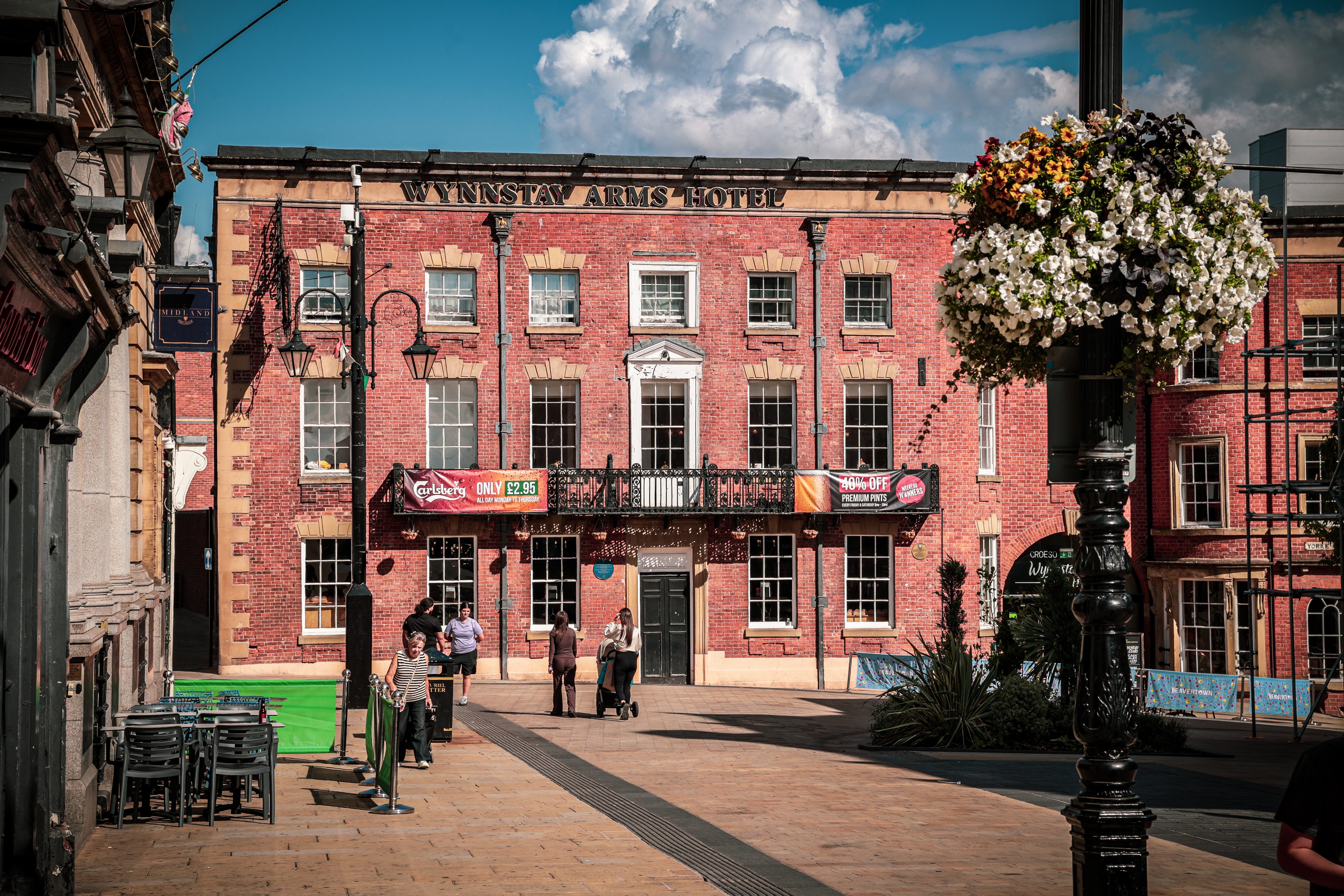
Wrexham High Street: A Lovely Place to Walk. But at What Cost?
It’s not very often Wrexham is a trendsetter.
That the council does something another city might follow.
But Sadiq Khan, the Mayor of London, must have been visiting Wrexham, seen our pedestrianised High Street and thought...
“I’ll have a bit of that!”
And decided to ban traffic from Oxford Street in the Big Smoke.
Who’d have thought it?
London copying Wrexham.
Of course, I’m joking. I don’t really think Sadiq Khan popped up to Wrexham for a few ideas. Although, you never know...
But while the capital embraces the idea, here in Wrexham it’s caused a bit of a stink.
And I sit here, rather apathetically, reading the comments on social media and wondering what all the fuss is about.
Because, personally...
I quite like it.
Or do I?
A Little Bit of Continental Wrexham
I’m currently quite fit. I’m able to walk around town without any problems, and mobility isn’t an issue for me.
So the thought of parking my car and walking into town, through a thoroughfare without worrying about traffic, is quite appealing.
It’s relaxing.
Watching people sitting outside enjoying a nice cool pint in the sunshine, or warming themselves with a coffee now winter has arrived, makes Wrexham look almost continental.
Who needs Barcelona when you’ve got Wrexham High Street?
In the evening, the atmosphere can be lovely.
No confrontation between a slightly refreshed customer and an Uber Eats driver trying to squeeze through the crowds.
If you’ve ever been down Abbott Street on a busy evening, you’ll know what I mean.
The town looks good.
And, to me, that’s important.
But there’s a rather significant point here.
I’m fortunate enough to be able to walk from place to place without much difficulty.
Not everybody can.
And perhaps that’s where my rather relaxed attitude towards the whole thing needs a rethink.
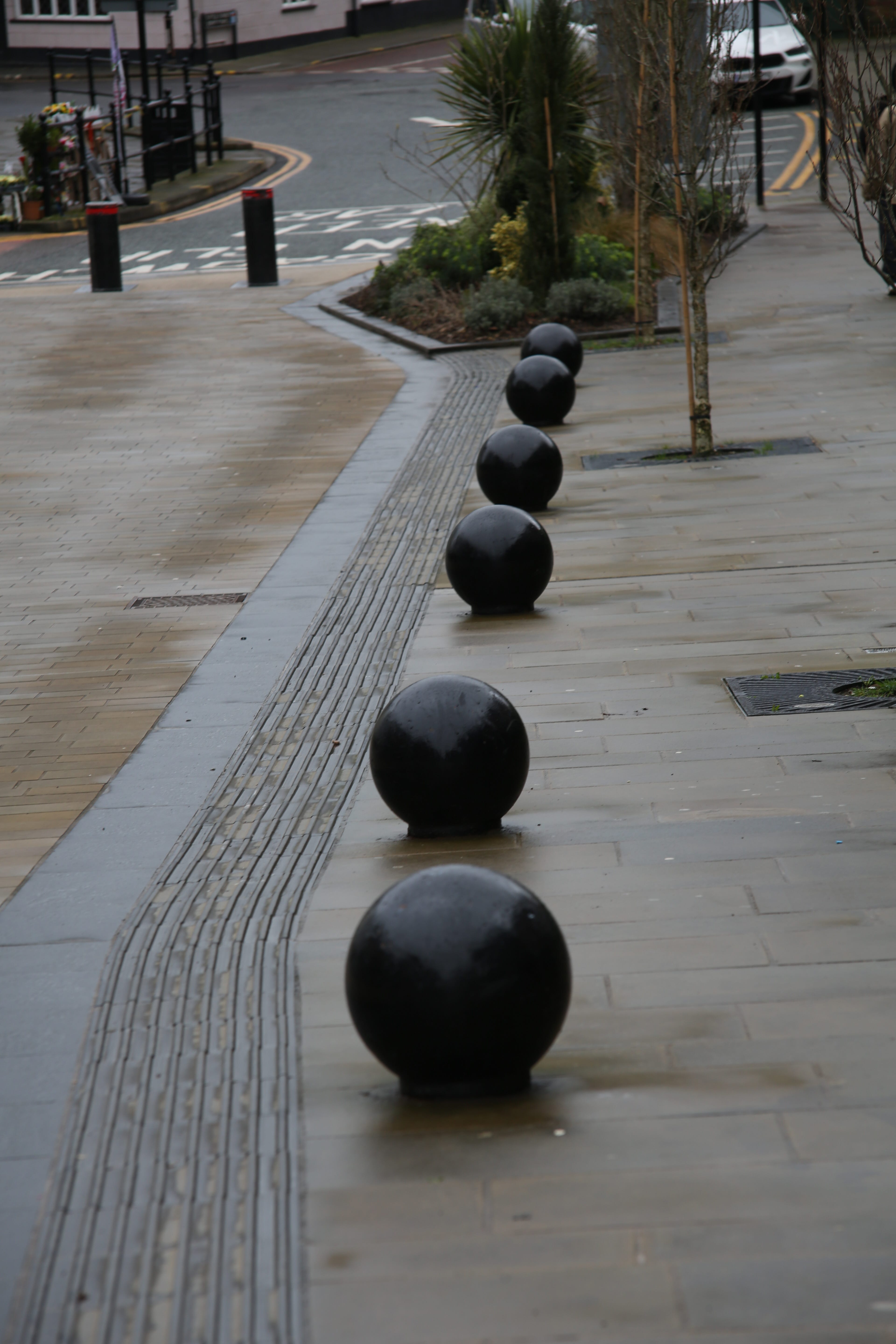
Not Everybody Can Just Walk
Spend five minutes on social media and you’ll soon discover that not everybody shares my enthusiasm.
People are complaining about getting to and from St Giles’ Parish Church.
Getting to restaurants for meals.
Collecting items from shops.
And simply being able to access businesses they’ve supported for years.
In an ideal world, there would be adequate parking nearby and a short, pleasant walk into town.
But we don’t live in an ideal world.
For some people, getting from a car park to the High Street can be a considerable walk.
And one of the closest car parks isn’t exactly the cheapest.
But here’s another question.
Is some of the annoyance about the inconvenience of having to park in a car park and walk into town?
Or is it simply because people don’t want to pay for parking?
There’s a difference.
I understand somebody with mobility problems struggling to get to the High Street. That’s a genuine concern.
But if you’re perfectly capable of walking a few hundred yards, is it really that much of a hardship?
Or have we simply become accustomed to parking as close as possible to wherever we want to go?
And let’s be fair, paying to park isn’t exactly everybody’s favourite pastime.
I’m certainly not going to pretend I enjoy handing over money just to leave my car somewhere.
But perhaps we’re mixing two different arguments.
The inconvenience of having to walk and the genuine difficulty some people have getting there.
And we shouldn’t allow one to drown out the other.
For somebody with mobility difficulties, an elderly person or someone collecting something heavy, it could be the difference between visiting a business and staying away.
And if enough people decide it’s simply too much trouble...
Businesses suffer.
I know a little bit about that.
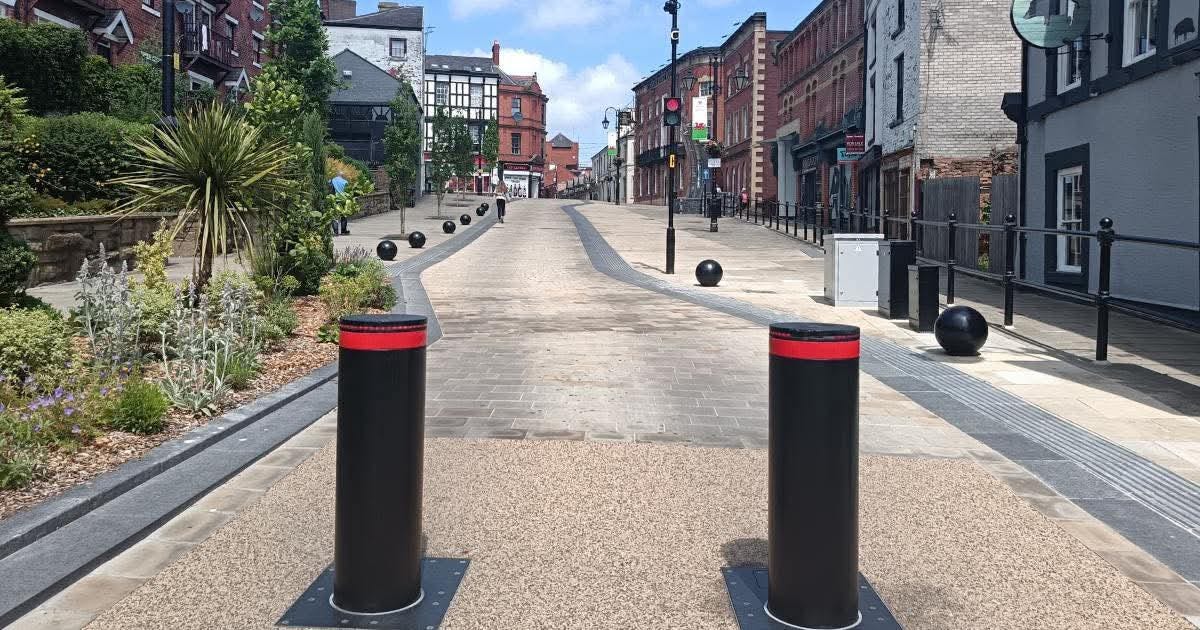
I’ve Been on the Other Side
I used to own a business in Wrexham.
And I know how frustrating it can be when decisions made by other people affect your livelihood.
When Mecca Bingo moved from the building that’s now Attic, we lost the afternoon bingo customers who would walk past our business on their way from town.
They weren’t necessarily coming into town to visit us.
But they were passing.
And passing trade matters.
Then the car park where St Giles Way now stands was drastically reduced.
Access to town became easier past the Nag’s Head.
Again, fewer people passed our door.
Trade slowed.
We hadn’t done anything wrong.
We hadn’t suddenly started offering a worse service.
The customers simply weren’t passing us anymore.
And that’s the thing about running a small business.
You can work hard, provide a good service, build relationships with customers and do everything you’re supposed to do.
But somebody else’s decision can change everything.
Which brings me to my friend Rob Clarke.
A Visit to Mad4Movies
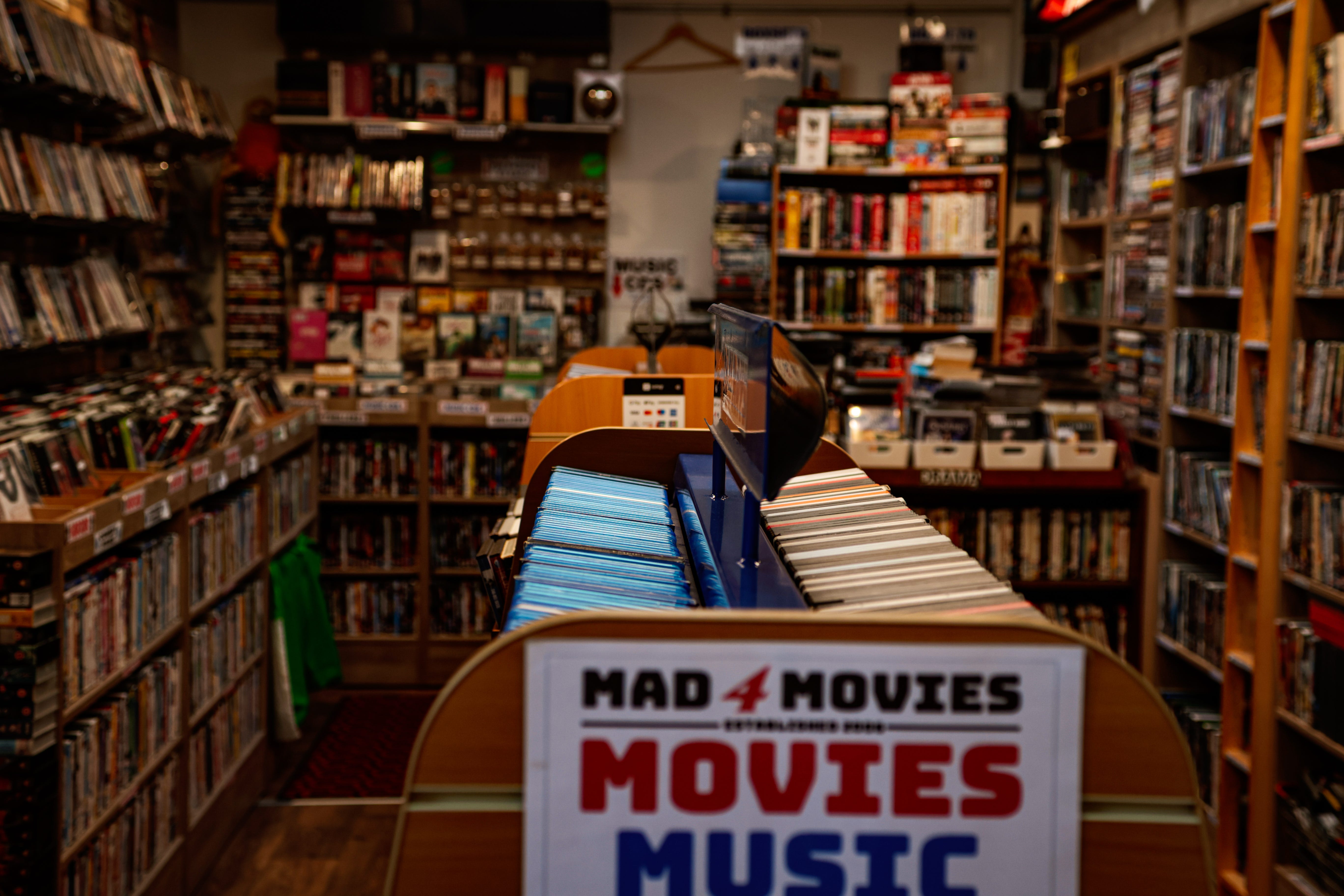
I popped in to see Rob at Mad4Movies in Wrexham Butchers Market, just off the High Street.
Now, I’ve known Rob for years.
And I had a fairly good idea what his response was going to be before I’d even walked through the door.
Rob has been trading for around twenty years.
He knows his customers.
He knows the market.
And he’s not particularly happy with the High Street changes.
But what interested me wasn’t simply that he opposed the bollards.
It was why.
I asked him about the changes and he didn’t take long to get to the point.
“The biggest problem I have with the implementation of the bollards is that they didn’t listen to the people who were against it and the reasons why.”
And there, for me, is the heart of the problem.
Listening.
Or perhaps the lack of it.
Making Things Accessible. Then Making Them Inaccessible?
Rob pointed out something which, when you think about it, does seem rather strange.
The Butchers Market has undergone a major refurbishment.
And as part of that refurbishment, the High Street entrance was made more accessible.
Where there were once steps, there are now none.
Brilliant.
Exactly what we should be doing.
But Rob then raised the question of disabled parking.
“It’s beyond belief really that part of the High Street renovation they took away the disabled parking spots.”
Now, I haven’t independently checked every aspect of the parking arrangements, but Rob’s point deserves serious consideration.
What’s the point of making a building easier to enter if some of the people who need that accessibility find it harder to get anywhere near the entrance?
It’s a fair question.
Rob’s customers include elderly people who visit to buy books, puzzle magazines and other items.
For some, being able to park nearby isn’t a luxury.
It’s a necessity.
Rob told me he was worried about whether those customers would still be able to get into the market.
And when you’re a small business owner, that’s not an insignificant worry.
Those customers are your livelihood.
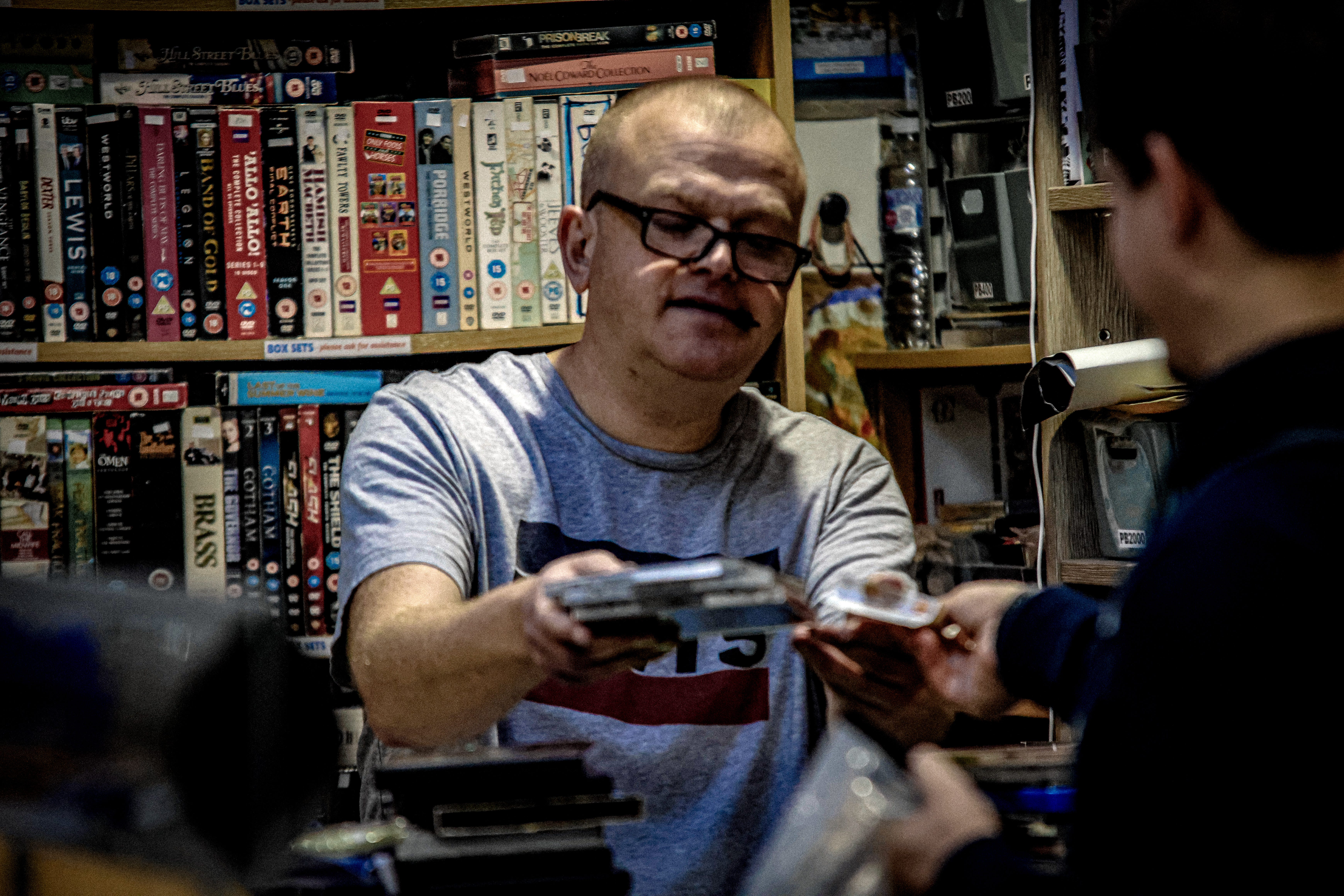
The Bollards and the Butcher
Rob also spoke about the concerns raised before the permanent bollards were installed.
He recalled the temporary bollards which had previously been used, and how traders wondered whether they would eventually become permanent.
According to Rob, they were initially reassured that there were no plans to do so.
But the rumours persisted.
He also recalled concerns raised by Paul Bowering, the butcher who traded in the market.
Rob said Paul warned that permanent restrictions could be devastating for his business.
“Don’t do it.”
That was how Rob remembered Paul’s warning.
Now, I wasn’t part of those conversations, so I can only report what Rob told me.
But it raises another question.
When somebody who has spent years running a business tells you a proposed change could seriously damage their trade, how much weight should that carry?
Surely it deserves more than a polite nod and a thank you for your comments.
Deliveries Don’t Always Run to a Timetable
Then there’s the issue of deliveries.
Something I hadn’t really considered while enjoying my leisurely stroll down the High Street.
Rob explained that another trader in the market relies on deliveries coming from the North West of England.
Those deliveries are part of a wider route.
The driver might have several stops before reaching Wrexham.
And, as anybody who has ever waited for a parcel knows, deliveries don’t always arrive exactly when you want them.
Rob described the restricted access window and the difficulties this creates.
He told me about one driver who attempted to park near the Fat Boar and wheel goods up to the market on a trolley.
Unfortunately, he couldn’t find somewhere suitable to stop.
The delivery was abandoned.
Now imagine you’re the business waiting for those goods.
You haven’t done anything wrong.
Your supplier hasn’t necessarily done anything wrong.
But you’ve still got a problem.
And potentially disappointed customers.
That’s not particularly helpful when we’re supposed to be encouraging independent businesses to thrive.
A Town Centre for Everyone?
One thing I found interesting was that Rob didn’t just talk about his own shop.
He mentioned conversations with people involved in the hospitality trade too.
According to Rob, even some pub landlords have concerns about customers being unable to get picked up directly outside their premises.
Again, I can see both sides.
I quite like a High Street without cars weaving between people enjoying an evening out.
But I can also understand why someone might want a taxi to collect them nearby.
Especially if they’re elderly, have mobility difficulties or simply don’t fancy a long walk home.
Surely there must be a sensible compromise?
Rob summed up his frustration with the overall design.
“I just think it’s really badly designed.”
That’s his opinion.
And he’s entitled to it.
Just as I’m entitled to enjoy walking down a traffic-free High Street.
But here’s the difference.
My enjoyment doesn’t depend on customers being able to reach my business.
His livelihood does.
And that matters.
If you shout down a car-free High Street, does anyone hear you?
The Problem With Ivory Towers
I’m not against pedestrianisation.
Far from it.
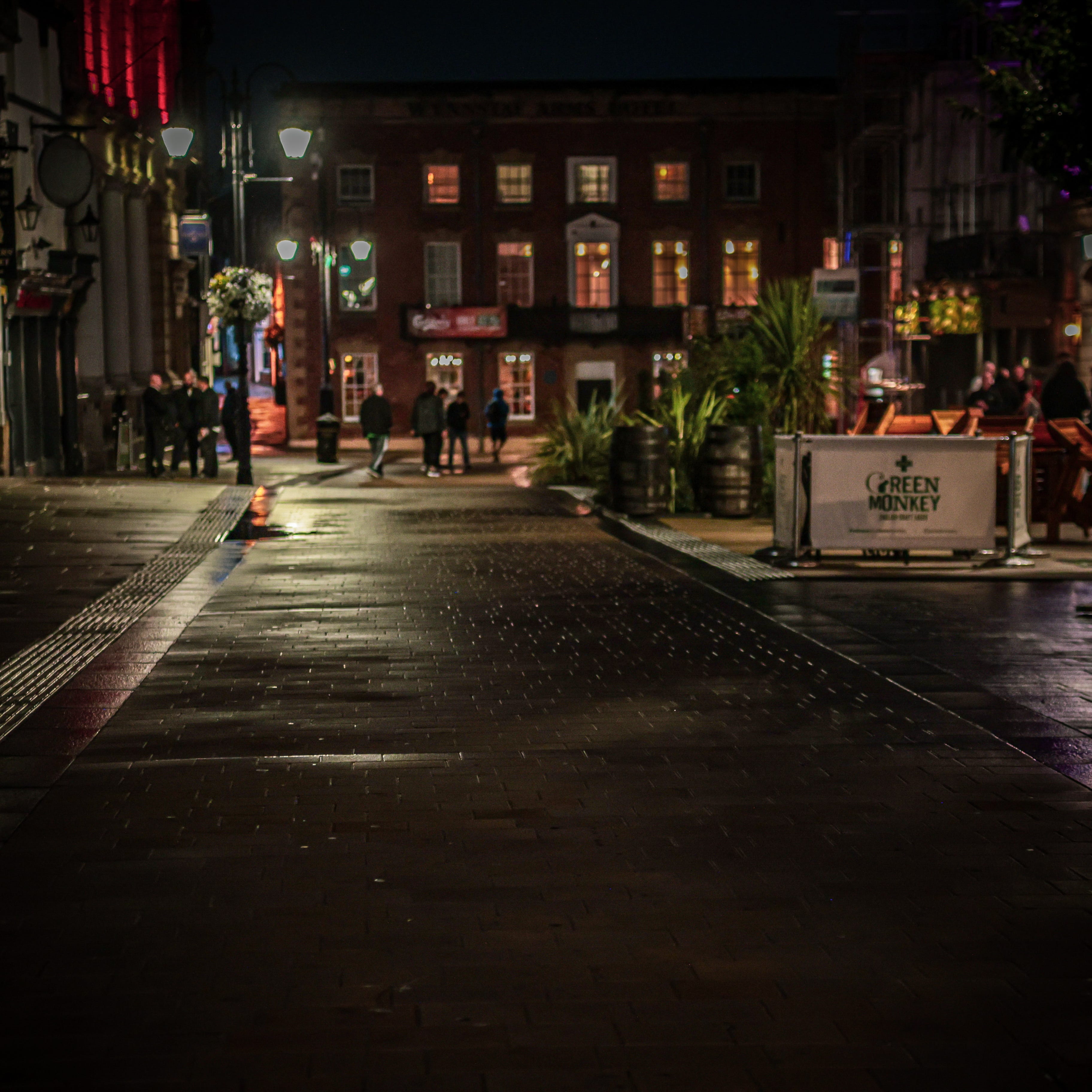
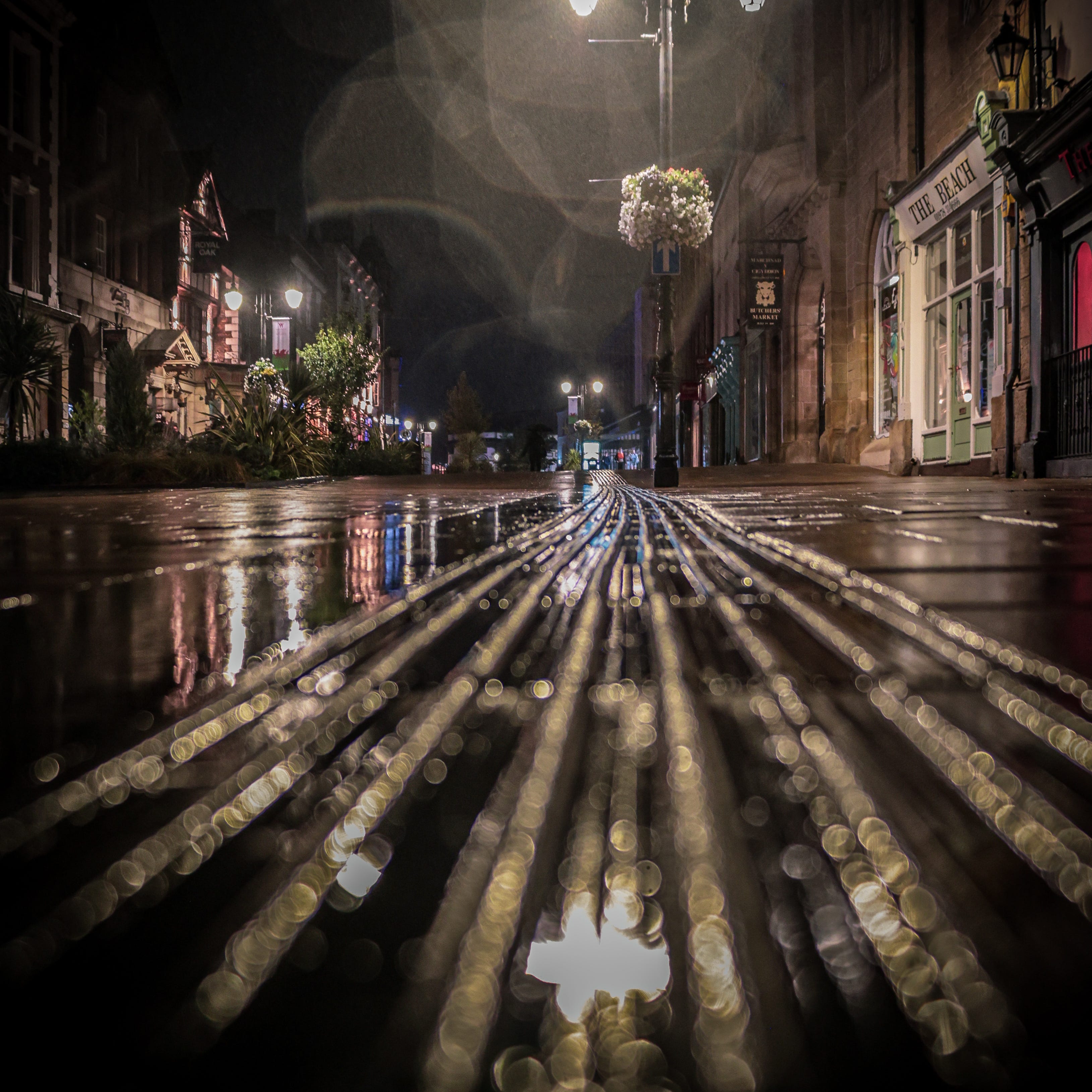
I like our traffic-free High Street.
I like the atmosphere. I like seeing people sitting outside enjoying themselves. And I like the fact that you can walk down the street without worrying about a car appearing behind you.
But I also understand why Rob and other traders are frustrated.
And that’s where I think the problem lies.
Nobody seems to be listening.
Or, at least, that’s how it feels to the people affected.
It’s all very well making decisions from an office, looking at plans and imagining how wonderful everything is going to be.
But sometimes you need to come down from your ivory tower and actually talk to the people whose livelihoods depend on those decisions.
Not just listen.
Actually hear what they’re saying.
There’s a difference.
If the bollards are in the wrong place, move them.
If disabled access isn’t good enough, improve it.
If delivery arrangements are causing problems, rethink them.
Surely that’s not admitting defeat?
It’s common sense.
And let’s not forget the small independent businesses.
They’re the bedrock of Wrexham.
The people who’ve invested their own money, taken risks, worked long hours and built relationships with customers over decades.
We can’t keep talking about regenerating Wrexham while making life more difficult for the people who’ve helped keep the town centre alive.
Let’s Actually Use the High Street
But here’s another thought.
We’ve pedestrianised the High Street.
We’ve created this lovely open space.
So let’s do something with it!
I’ve mentioned this idea before, but why not hold a free concert on the High Street?
Nothing overly complicated.
A stage. Some local bands. A bit of music.
Get people into town.
Get them sitting outside the pubs and cafés.
Encourage them to visit the shops and markets.
Make an afternoon of it.
We’ve got some fantastic musical talent in Wrexham, and I spend enough time photographing gigs to know there’s no shortage of bands who could put on a great show.
Imagine the High Street on a sunny Saturday afternoon.
Live music.
People enjoying a drink.
Families wandering around.
The shops and markets benefiting from the extra visitors.
The sort of atmosphere we keep saying we want to create.
Of course, it would need organising properly. Permissions, safety, access and all the other practicalities.
But surely it’s worth exploring?
And rather than somebody sitting in an office deciding what would be best, why not get the businesses involved from the start?
Ask the traders what would help them.
Ask the pubs and restaurants.
Ask the market businesses.
Ask the people who actually use the High Street.
Perhaps a concert isn’t the answer.
Perhaps there are other ideas that would work even better.
But at least we’d be talking about how to make the pedestrianisation a success rather than spending all our time arguing about whether it should have happened.
My Final Thoughts
I went into this story quite happy with the pedestrianisation.
And, to be fair, I still am.
But after listening to Rob, I can see things from a different perspective.
I’ve been a small business owner.
I know what it’s like when decisions made elsewhere affect your trade.
And I know how frustrating it can be when you feel nobody is listening.
I don’t want to see cars back on the High Street.
I want to see people.
Lots of them.
Shopping.
Eating.
Drinking.
Enjoying themselves.
Listening to live music.
Supporting local businesses.
That’s what a thriving city centre should look like.
But we need to make sure everybody can get there in the first place.
Because there’s no point creating a beautiful pedestrianised High Street if we make it difficult for people to visit the businesses that give it life.
Wrexham has a great opportunity here.
Let’s not waste it arguing over bollards.
Let’s listen to the traders, sort out the problems and start making proper use of the space we’ve created.
And if anybody fancies helping me organise a free concert on the High Street...
You know where I am.
I’ll be the one with the camera.
What do you think? Do you like the pedestrianisation? What would you change? And would you support a free concert on Wrexham High Street?
Share the love. Share the blog.
A key to the success of a pedestrianisation scheme is the need to have a high base level footfall that can be supplemented by one off booster events. Despite being a city Wrexham is far from being a volume footfall. Wrexham doesn't have many high employee number offices for lunch time and end of day shoppers. Coleg Cambria have boosted their in site student catering which you can't blame them but it reduces the lunchtime student rush into the food shops.
The large national retailers now have vast amounts of customer data and knowledge in advance the potential sales figures and profitability before / if they invest.
The design of Wrexham retail offer as a ribbon flow from Plas Coch to Tesco's is not a joined up walking route so potential customers predetermine which part of Wrexham they will visit. You here people say they're going to Plas Coch or Eagles Meadow or Tesco - very rarely do you hear people say they're going to do their shopping in Wrexham. What footfall there is in the whole of Wrexham is predetermined by a customers needs and not generally by those who just winder - a wandering
customer is likely to be a low spender other than coffee, cake or snack buyer.
There are lots of people doing one off events, often though bringing in people who run stalls as a hobby with very few overheads compared with shop based outlets with costs for 5,6 or 7 day trading. Often the stall holder at one off events are making extra pin money and not the money to sustain their life.
There is no easy solution that will meet everyone,s needs- retailers, hospitality and customers.